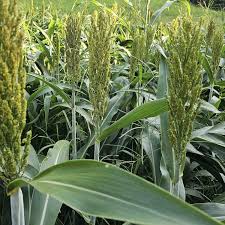
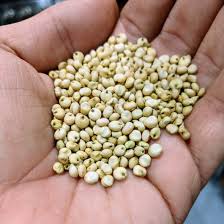
The term ‘Sorghum’ is derived from the Italian word sorgo, which is thought to stem from the Latin Syricum (meaning “of Syria” or “Syrian grass”), reflecting historical associations with the region during its spread to Europe. The genus Sorghum contains about 25 species found in tropical and subtropical climates, with the highest diversity occurring in Africa and Australia. The most commercially important species, Sorghum bicolor, originated in northeastern Africa. Sorghums are vigorous, coarse grasses that can be annuals or short-lived perennials, growing in clumps or from rhizomes. Like maize and pearl millet, Sorghum is a C4 plant, making it highly efficient in converting sunlight to energy and exceptionally tolerant of heat and drought. The plants typically have tall, solid stalks resembling maize, and produce grain in terminal panicles that range from loose and open to dense and compact heads.
Botanical Description
Sorghum bicolor is a robust, highly variable annual (occasionally perennial) grass exhibiting tremendous morphological diversity across its global cultivation range.
Plant height ranges from 0.5 m (dwarf grain types) to over 6 m (biomass sorghums), with most grain cultivars standing 1-2.5 m tall. Growth habit varies from single-stem types with minimal tillering to profusely tillering types producing 5-20 stems per plant. Stems (culms) are solid (pithy), cylindrical, and robust, with diameters ranging from 10-40 mm. Culm internodes are juicy and sweet in sweet sorghum types but dry and fibrous in grain types. Nodes are prominent and glabrous to waxy.